Building leaders before building capital
How the Institute of Cooperative Management is Preparing Cooperatives for the Future
One of the most important lessons learned from decades of cooperative development is that capital alone does not create successful cooperatives.
Many promising cooperative enterprises have struggled not because they lacked opportunities, but because they lacked access to specialised leadership training, governance skills, financial management expertise, and operational knowledge required to manage growth effectively. The most successful cooperatives are not simply well-funded; they are well-led.
This understanding sits at the heart of the Institute of Cooperative Management (ICM), a dedicated business unit established to strengthen leadership capacity within the cooperative movement and prepare cooperatives to participate successfully in modern investment and capital market ecosystems such as the Co-op Debenture Exchange (CDEx).
As CDEx prepares to unlock new sources of capital for cooperative enterprises, ICM is ensuring that cooperative leaders are equipped with the skills necessary to manage those opportunities responsibly, sustainably, and effectively.
The philosophy is simple. Before capital is deployed, leadership capacity must be developed. Before investment is received, governance systems must be strengthened. Before cooperatives scale, their leaders must possess the knowledge required to navigate growth, compliance, reporting, accountability, and strategic decision-making.
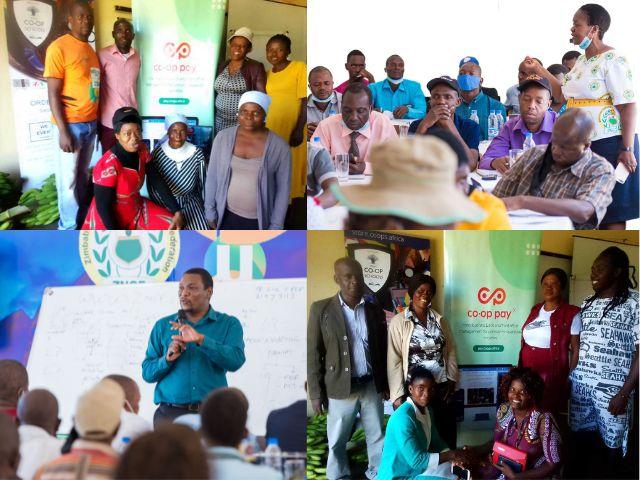
Over many years, ICM has invested significant effort into understanding the realities faced by cooperative leaders across Zimbabwe. Through training workshops, field engagements, seminars, mentorship programmes, and direct interaction with cooperative societies, the Institute has developed a deep understanding of the knowledge gaps that often limit cooperative performance.
These experiences have revealed a consistent challenge. While cooperative leaders are often passionate, committed, and community-oriented, many have never received formal training tailored specifically to the unique governance and management requirements of cooperative enterprises.
Traditional business training programmes frequently fail to address the distinctive nature of cooperatives, which operate according to democratic principles, member ownership structures, and social as well as economic objectives.
Recognising this gap, ICM has developed specialised cooperative leadership programmes designed specifically for cooperative office bearers and management teams.
Among its flagship programmes are the ICM Certified Chairperson, ICM Certified Secretary, and ICM Certified Treasurer certifications. These programmes focus on the practical responsibilities of the individuals entrusted with leading cooperative societies and ensuring sound governance.
The ICM Certified Chairperson programme equips cooperative leaders with the skills required to provide strategic leadership, facilitate effective decision-making, oversee governance processes, and maintain accountability to members. Participants develop a stronger understanding of cooperative governance, leadership ethics, stakeholder engagement, and organisational oversight.
The ICM Certified Secretary programme focuses on the critical administrative and governance functions that support cooperative effectiveness. Participants learn best practices in record management, compliance administration, meeting procedures, reporting requirements, governance documentation, and organisational communication.
The ICM Certified Treasurer programme addresses one of the most important areas of cooperative sustainability—financial stewardship. Treasurers receive specialised training in financial management, budgeting, reporting, internal controls, risk management, accountability, and financial governance, enabling them to safeguard member resources and support informed decision-making.
Together, these programmes create stronger leadership teams capable of managing increasingly sophisticated cooperative enterprises and investment opportunities.
Importantly, ICM has embraced technology to ensure that training remains accessible regardless of location. Through online learning facilities and digital delivery systems, cooperative leaders from across Zimbabwe and beyond can access training resources, participate in certification programmes, and engage with subject matter experts without the constraints of geography.
At the same time, the Institute continues to maintain a strong presence on the ground through seminars, workshops, and leadership development events conducted throughout the country. These programmes have been delivered in collaboration with important stakeholders including the Zimbabwe National Cooperative Federation, the Ministry of Women Affairs, Community, Small and Medium Enterprises Development, and other partners committed to strengthening the cooperative movement.
These partnerships have enabled ICM to reach thousands of cooperative members and leaders while ensuring that training programmes remain aligned with national cooperative development priorities and emerging sector needs.
As the cooperative movement becomes increasingly interconnected through platforms such as Coops.Africa and gains access to new capital formation opportunities through CDEx, the demand for capable leadership will only increase.
Investors seek confidence that cooperative enterprises possess the governance systems necessary to manage capital responsibly. Members expect transparency, accountability, and professional management. Regulators require compliance with applicable standards. Communities depend on cooperatives to deliver sustainable economic benefits.
Meeting these expectations requires leaders who are both committed to cooperative principles and equipped with modern management skills.
This is why ICM occupies such an important place within the broader cooperative ecosystem. The Institute is not simply delivering training. It is building the human capital required to support the next generation of cooperative growth.
The years of engagement, research, training delivery, and practical experience accumulated by ICM have enabled the development of highly targeted programmes that address the real challenges faced by cooperative leaders. Today, these programmes are available exclusively to registered cooperators on Coops.Africa, creating an integrated pathway from cooperative membership to leadership development, governance excellence, and ultimately participation in regional cooperative investment opportunities.
The future of cooperative development will require more than access to capital. It will require capable leaders who can transform investment into sustainable enterprises, member value, community impact, and long-term prosperity.
Through the Institute of Cooperative Management, CDEx and Coops.Africa are helping to ensure that when capital arrives, the leadership capacity to manage it will already be in place.
Because strong cooperatives are built by strong leaders, and strong leaders are developed through education, experience, and continuous learning.
Recent Posts
-
From strategy to national impact
15 Jun 2026
-

A journey of persistence, cooperation and belief
15 Jun 2026
-
South African Cooperatives Embrace coops.africa
15 Jun 2026
-

-

CDEx Partners with DAMREV
14 Jun 2026
-
From Digital Inclusion to Capital Inclusion
14 Jun 2026
-

-